



In industries ranging from chemicals to food processing, moving liquids from barrels or drums is a common task that requires the right equipment. A barrel pump is a practical tool designed to transfer fluids efficiently, whether they’re thin solvents or thick oils. Picking the correct pump for your specific needs can save time, reduce costs, and ensure safety in your operations. With so many options available, understanding what to look for is key to making a smart choice.
This blog walks you through the process of selecting the right barrel pump for your industry. It covers how these pumps work, the factors to consider, and why they’re valuable across various applications, including in regions like India and cities like Ahmedabad.
What Is a Barrel Pump?
A barrel pump is a portable tool used to transfer liquids from drums or barrels. It is lightweight and easy to use, and comes in manual, electric, or pneumatic types depending on how it is powered. The pump includes a long suction tube that goes inside the barrel, along with a motor or hand mechanism to move the liquid and an outlet to direct the flow. This makes it suitable for handling small to medium quantities of fluid in a controlled way.
These pumps are commonly used because they make liquid transfer easier and cleaner. Whether it’s water, fuel, or chemicals, a barrel pump helps get the job done with less effort. Many businesses also depend on a reliable barrel pump manufacturer in India for consistent performance and long-term use.
Why Barrel Pumps Matter in Industry
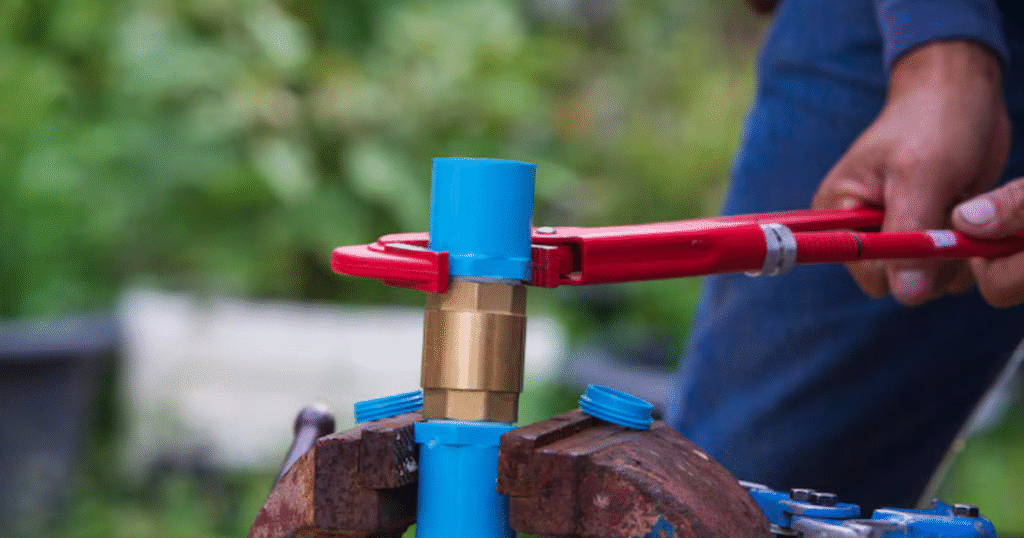
Industries like manufacturing, agriculture, and pharmaceuticals depend on barrel pumps to keep their operations running smoothly. For example, in chemical plants, these pumps are used to transfer acids or solvents from storage drums to mixing tanks. In agriculture, they help move fertilizers or pesticides into sprayers. Their ability to handle different types of fluids, whether thin or thick, safe or hazardous, makes them a practical and versatile tool.
In addition to convenience, barrel pumps improve safety by reducing spills and limiting exposure to harmful substances. They also save time compared to manual pouring, helping businesses work more efficiently.
Key Factors in Choosing a Barrel Pump
Selecting the right barrel pump involves looking at several details tied to your industry’s needs. Here’s what to consider:
1. Fluid Type
The liquid you’re transferring is the starting point. Thin fluids like water or alcohol need different pumps than thick ones like grease or syrup. Corrosive chemicals, such as acids, require pumps made from materials like stainless steel or polypropylene that won’t break down. Check the fluid’s viscosity and chemical properties to match it with a compatible pump.
2. Power Source
Barrel pumps come in three main types: manual, electric, and pneumatic. Manual pumps, operated by hand, suit small-scale tasks or areas without power access. Electric pumps, powered by motors, work well for frequent use or larger volumes. Pneumatic pumps, driven by compressed air, are ideal in flammable environments where sparks from electricity could be risky. Pick the type that fits your site and workload.
3. Flow Rate and Volume
How much liquid you need to move and how quickly it needs to be transferred both matter. Some pumps are designed for low flow rates and precise transfer, while others can handle larger volumes in a shorter time. Consider your specific requirements, such as filling a tank quickly or dosing small amounts over time, and choose a pump with the right capacity.
4. Barrel Size
Barrel pumps are designed for standard drum sizes, like 55-gallon (200-liter) containers, but variations exist. Ensure the pump’s suction tube length matches your barrel’s depth. A tube too short won’t reach the bottom, while one too long can be awkward to handle.
5. Safety Features
If you’re working with flammable or toxic fluids, safety is critical. Look for pumps with anti-static features, grounding wires, or explosion-proof designs, especially in industries like petrochemicals. Pumps that minimize drips or leaks also help keep the workspace clean and safe.
6. Durability and Maintenance
A pump that can handle tough conditions will save money in the long run. Check the material and build quality, as metal pumps usually last longer than plastic ones in harsh environments. It’s also important to choose a pump that is easy to clean and repair. Pumps with a simple design and fewer parts generally require less maintenance.
Types of Barrel Pumps
Understanding the main types of barrel pumps can narrow your options:
- Hand-Operated Pumps: Affordable and portable, these are good for occasional use or small batches. They include piston, rotary, or siphon designs.
- Electric Drum Pumps: Faster and suited for regular use, they’re common in factories or warehouses. Battery-powered versions offer mobility.
- Pneumatic Pumps: Air-driven and safe for hazardous areas, they’re a go-to in chemical or oil industries.
Each type has its place, depending on your industry’s setup and goals.
Industry-Specific Needs
Different sectors have unique demands that shape pump selection:
- Chemical Industry: Pumps must resist corrosion and handle acids or solvents safely. Stainless steel or plastic models with high chemical compatibility work best.
- Food and Beverage: Hygiene is key. Look for pumps made from food-grade materials like stainless steel, with easy-to-clean surfaces to meet safety standards.
- Oil and Gas: Flammable liquids call for pneumatic or explosion-proof electric pumps to avoid sparks.
- Agriculture: Pumps for fertilizers or pesticides need durability and moderate flow rates for field use.
Matching the pump to your industry ensures it performs well and lasts.
Barrel Pumps in India and Ahmedabad

In India, industries like chemicals, textiles, and agriculture drive demand for reliable equipment. The barrel pump in India is widely used due to its affordability and ability to handle diverse fluids in varying climates. From humid coastal areas to dry inland regions, these pumps adapt to local conditions, making them a practical choice for businesses of all sizes.
In cities like Ahmedabad, a hub for manufacturing and In cities like Ahmedabad, a hub for manufacturing and trade, the barrel pump plays an important role in supporting small and medium enterprises. Local suppliers offer tailored solutions that balance quality and cost to meet the needs of this industrial center. Many businesses also rely on an industrial pump manufacturer for dependable and efficient fluid handling solutions.
Working with Manufacturers and Suppliers
Choosing a barrel pump supplier or manufacturer can make a difference in getting the right product. Reputable companies provide guidance on matching pumps to your fluids and workloads. They may also offer custom options, like specific tube lengths or materials, to fit your setup. In Ahmedabad or across India, partnering with a trusted barrel pump supplier ensures access to reliable equipment and after-sales support.
Ask suppliers about warranties, spare parts availability, and maintenance tips. A good manufacturer or supplier will stand by their product and help you keep it running smoothly.
Common Mistakes to Avoid
Picking the wrong pump can lead to problems. Here are pitfalls to steer clear of:
- Ignoring Fluid Compatibility: Using a pump not suited to your liquid can cause damage or leaks.
- Overlooking Power Needs: A manual pump won’t keep up with high-volume tasks, while an electric one may be overkill for small jobs.
- Skipping Safety Checks: In hazardous settings, skipping safety features risks accidents.
- Buying Cheap Without Quality: Low-cost pumps may fail quickly, costing more in replacements.
Taking time to assess your needs avoids these issues and leads to a better fit.
The Long-Term Payoff
A well-chosen barrel pump saves effort and money over time. It reduces waste from spills, cuts down on manual labor, and keeps operations steady. For industries in India or Ahmedabad, where efficiency matters in a competitive market, the right pump can be a game-changer. It’s an investment in smoother workflows and safer handling of fluids.
Conclusion
Choosing the right barrel pump for your industry comes down to understanding your fluids, workload, and safety needs. Whether you’re in chemicals, food processing, or agriculture, the barrel pump offers a practical way to move liquids from drums with ease. In places like India and Ahmedabad, working with a reliable barrel pump manufacturer or supplier ensures you get a pump that fits your specific demands.